

Hey there, fellow valve enthusiasts! As a supplier of Forged Globe Valves, I often get asked about the materials used in forging these essential pieces of equipment. So, I thought I'd put together this blog to shed some light on the matter.
First off, let's understand what a Forged Globe Valve is. It's a type of valve that's designed to regulate flow in a pipeline. The valve has a spherical body with an opening in the middle that's controlled by a disc. When the disc is opened, fluid can flow through the valve, and when it's closed, the flow is stopped. Forged Globe Valves are known for their durability, reliability, and ability to handle high-pressure and high-temperature applications.
Now, let's get into the materials commonly used in forging these valves.
Carbon Steel
Carbon steel is one of the most popular materials for forging Globe Valves. It's a strong and durable material that can withstand high pressures and temperatures. Carbon steel is made up of iron and carbon, with small amounts of other elements like manganese, silicon, and sulfur. The carbon content in carbon steel determines its strength and hardness. Higher carbon content means greater strength but lower ductility.
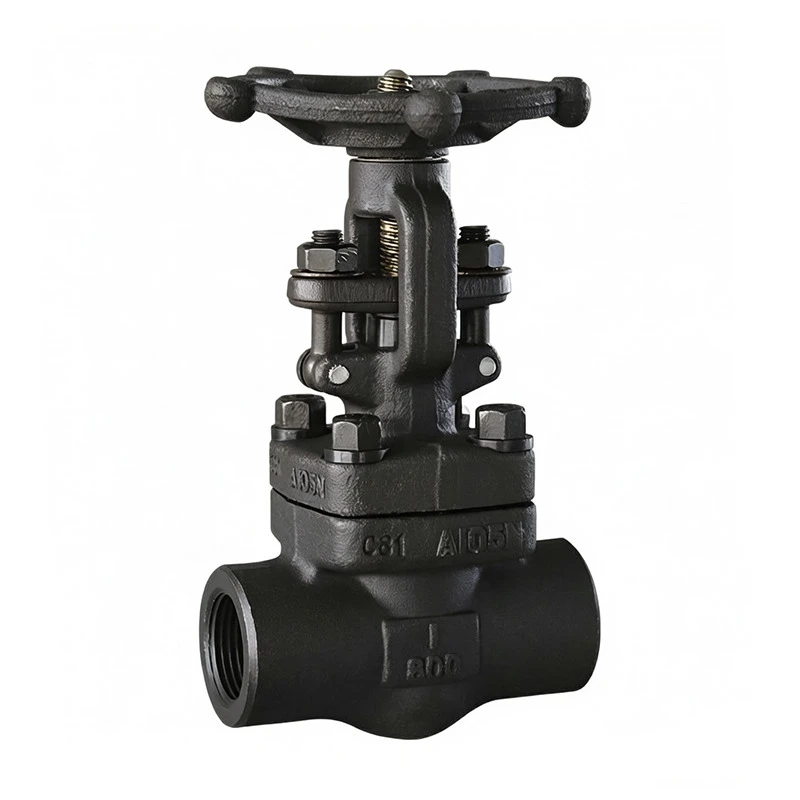
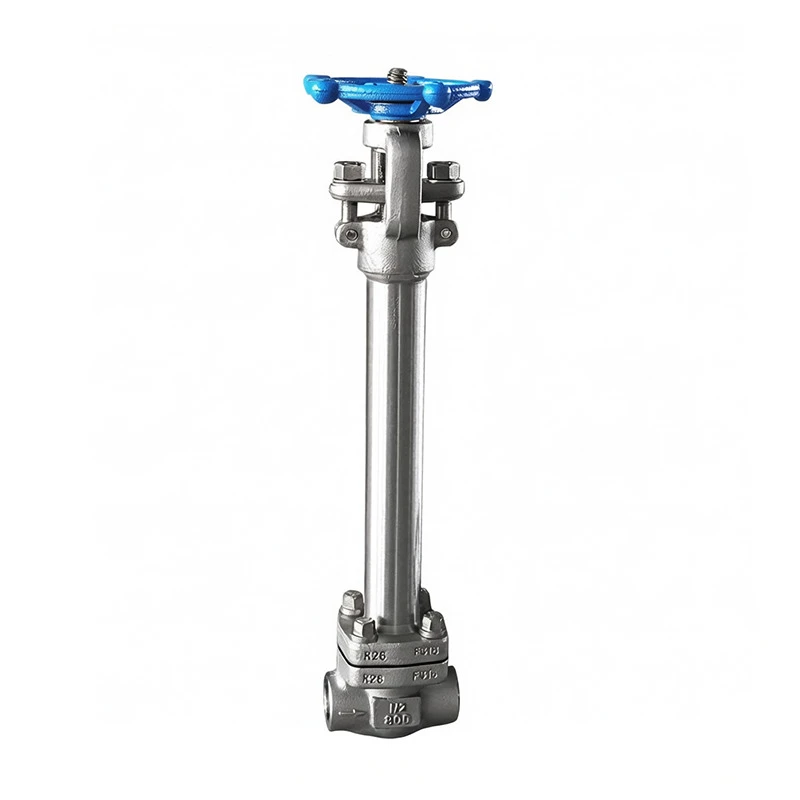
One of the advantages of carbon steel is its cost - effectiveness. It's relatively inexpensive compared to other materials, making it a great choice for applications where cost is a major factor. Carbon steel Forged Globe Valves are commonly used in industries such as oil and gas, power generation, and water treatment. You can check out our Butt Weld Gate Valve which also often uses carbon steel and has similar robust characteristics.
Stainless Steel
Stainless steel is another widely used material for Forged Globe Valves. It's a corrosion - resistant material that contains a minimum of 10.5% chromium. The chromium forms a protective layer on the surface of the steel, preventing it from rusting or corroding. Stainless steel also contains other elements like nickel, molybdenum, and titanium, which enhance its corrosion resistance and mechanical properties.
There are different grades of stainless steel, such as 304, 316, and 316L. Grade 304 is the most common and is suitable for general - purpose applications. Grade 316 has a higher molybdenum content, which makes it more resistant to corrosion in harsh environments, especially those with chloride - containing solutions. Grade 316L is a low - carbon version of 316, which is less prone to sensitization and intergranular corrosion.
Stainless steel Forged Globe Valves are often used in industries like food and beverage, pharmaceuticals, and marine applications, where corrosion resistance is crucial. If you're interested in other related products, take a look at our Forged Steel Butt - Weld Y - Type Strainer which can also be made from stainless steel.
Alloy Steel
Alloy steel is a type of steel that contains additional alloying elements like chromium, nickel, molybdenum, vanadium, and tungsten. These elements are added to improve the strength, hardness, toughness, and corrosion resistance of the steel. Alloy steel Forged Globe Valves are suitable for high - pressure and high - temperature applications, such as in the petrochemical and power industries.
For example, chrome - molybdenum alloy steel is often used in applications where the valve will be exposed to high temperatures and corrosive environments. The chromium provides corrosion resistance, while the molybdenum improves the high - temperature strength of the steel. Our Forged Low Temperature Butt Weld Gate also utilizes alloy steel in similar demanding applications to ensure performance in extreme conditions.
Brass
Brass is a metal alloy made up of copper and zinc. It has good corrosion resistance, excellent machinability, and low friction. Brass Forged Globe Valves are commonly used in low - pressure and low - temperature applications, such as in plumbing systems and HVAC (heating, ventilation, and air conditioning) systems.
Brass valves are relatively inexpensive and easy to install. They're also available in a variety of sizes and configurations. If you're looking for a more basic valve for your plumbing needs, brass might be the way to go. And don't forget to check out our Gate Valve Threaded Type which can also come in brass for some applications.
Bronze
Bronze is an alloy of copper and tin, with small amounts of other elements like zinc, lead, and phosphorus. It has good corrosion resistance, especially in seawater and other corrosive environments. Bronze Forged Globe Valves are often used in marine applications, water treatment plants, and fire protection systems.
Bronze valves are known for their durability and long service life. They can withstand the harsh conditions of saltwater and other corrosive fluids. Our Butt Weld Globe Valve can also be manufactured from bronze for specific applications.
Choosing the Right Material
When it comes to choosing the right material for your Forged Globe Valve, there are several factors to consider. These include the operating pressure and temperature, the type of fluid or gas that will be flowing through the valve, the corrosion resistance requirements, and the budget.
If you're dealing with high - pressure and high - temperature applications, carbon steel or alloy steel might be the best choice. For applications where corrosion resistance is a major concern, stainless steel or bronze could be more suitable. And if you're working on a low - pressure and low - budget project, brass might be the way to go.
I hope this blog has given you a better understanding of the materials commonly used to forge Forged Globe Valves. As a supplier, we have a wide range of valves made from different materials to meet your specific needs. Whether you're in the oil and gas industry, the food and beverage sector, or any other industry that requires reliable valves, we've got you covered.
If you're interested in purchasing Forged Globe Valves or have any questions about our products, feel free to reach out to us. We're always here to help you find the right valve for your application.
References
- "Valve Handbook" by Valve Manufacturers Association
- "Materials Science and Engineering" textbooks from various publishers.