
Electric Actuated Ball Valve Manufacturer
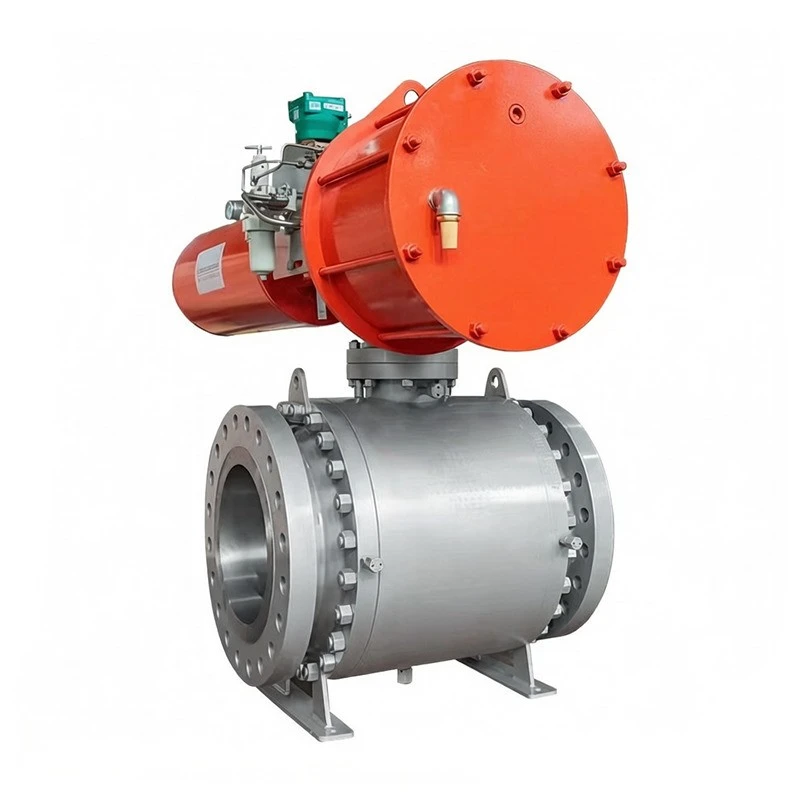
We manufacture electric actuated ball valves for industrial pipeline isolation and automated flow systems. Our production processes cover research and development, precision casting, machining, assembly, and inspection. Each valve assembly combines a ball valve with an electric actuator selected for the required operating torque, pressure rating, temperature, and control function. Available configurations can be specified by valve size, body material, sealing arrangement, end connection, power supply, and actuator requirements. Technical support covers product selection, project specifications, inspection documentation, and export supply.


Why Choose Us
Integrated Manufacturing
R&D, casting, machining, assembly, and inspection are coordinated throughout production. This supports dimensional control, consistent component fit, and alignment with approved product specifications.
Engineering-Based Selection
Valve and actuator configurations are evaluated against operating pressure, medium, temperature, required torque, switching frequency, and control signals. This helps establish a suitable assembly for the intended pipeline service.
Quality Documentation
Product identification, inspection records, and applicable material and pressure test documentation can be prepared according to agreed order requirements, supporting receiving inspection and project records.
Product Features
Electric Actuation
An electric actuator converts an electrical command into rotary movement to operate the valve. This allows control from a local station or a compatible control system without routine manual operation at the valve.
Quarter-Turn Ball Design
The ball rotates through 90 degrees between open and closed positions. Full-bore and reduced-bore designs, where available, should be selected according to flow capacity, pipeline dimensions, and pressure-drop requirements.
Application-Specific Configuration
Body materials, seats, seals, end connections, and actuator specifications are matched to the process medium and operating environment. Reviewing the complete assembly helps align mechanical, sealing, and control requirements.
Industrial Applications
Oil and Gas Systems
Electric actuated ball valves can provide pipeline isolation and process flow switching. Selection should account for operating pressure, temperature, medium compatibility, and the actuator protection required at the installation site.
Chemical Processing
Body and sealing materials are selected according to chemical composition, concentration, temperature, and pressure. Compatibility with the process medium is an important consideration for reliable sealing and service life.
Power and General Industry
Suitable configurations can serve water systems, utility lines, process equipment, and industrial pipelines that require electrically operated isolation and integration with plant control systems.
Technical Specifications
|
Parameter |
Specification |
|
Nominal size |
DN15–DN500 / 1/2–20 in |
|
Pressure rating |
PN16–PN420 / Class 150–2500 |
|
Working temperature |
-29°C to 500°C |
|
Valve operation |
Electric actuation, quarter-turn |
|
Body materials |
Carbon steel, stainless steel, and specified alloys |
|
End connections |
Selected connection types according to valve design |
|
Control function |
On/off or modulating, subject to actuator configuration |
|
Power supply |
24V DC, 110V AC, 220V AC, 380V AC |
|
Control signal |
4–20 mA, 0–10 V DC, dry contact |
Operating Torque
Actuator capacity must meet the valve's operating torque requirements under the specified service conditions. Pressure, differential pressure, sealing design, and operating frequency should be considered when determining the required torque and engineering margin.
Power Supply and Control
Specify supply voltage and frequency, control method, input signals, position feedback, and required opening and closing time. For automated installations, confirm compatibility with the intended control system before order approval.
Duty and Enclosure Protection
Operating frequency, ambient temperature, installation location, and enclosure protection affect actuator selection. Outdoor or demanding industrial environments require protection appropriate to local conditions.
Materials and Service Conditions
Body Materials
Carbon steel, stainless steel, and other specified alloys can be evaluated according to pressure, temperature, corrosion exposure, and mechanical requirements. Material grades should follow the project specification.
Seats and Sealing
Seat and seal materials influence temperature capability, chemical compatibility, operating torque, and shutoff performance. Selection should reflect the process medium and expected operating conditions.
Medium Compatibility
Provide the medium name, concentration where relevant, operating pressure, temperature, and suspended-solids content. These details help establish suitable body, trim, and sealing specifications.
Manufacturing and Quality Control
Precision Machining
Machining controls critical dimensions, mating surfaces, and sealing areas. Inspection methods are selected according to component drawings and the dimensional requirements of the valve design.
Assembly Control
Valve and actuator components are matched by mounting dimensions, stem connection, torque requirements, and operating direction. Assembly checks verify that the unit operates according to its specified configuration.
Production Records
Product identification and applicable manufacturing records support order traceability. Documentation requirements should be confirmed before production begins.

Pressure and Seat Testing
Pressure and sealing tests are performed according to the applicable product specification and agreed inspection requirements. Test methods and acceptance criteria should be defined for the selected valve.
Operational Checks
Checks can cover opening and closing, travel direction, actuator response, and position indication where specified. Additional functional checks depend on the actuator and control configuration.
Inspection Documents
Available documents may include pressure test records, inspection reports, material documentation, and applicable product certificates. Required documents should be agreed during order confirmation.
Standards and Certifications
Product Standards
Design, face-to-face dimensions, end connections, marking, and testing requirements should be identified according to the valve design, pressure class, application, and destination market.
Quality Management
The manufacturing operation holds ISO quality management system certification. The applicable certificate scope, issuing body, and validity should be confirmed against project documentation requirements.
CE Documentation
CE-related conformity documentation can be assessed where applicable to the supplied product and destination market. Applicable regulatory requirements should be confirmed for the final configuration.
Customization and OEM Support
Project-Specific Configuration
Valve size, body material, pressure rating, end connection, sealing arrangement, actuator supply, and control functions can be specified according to project requirements.
Customized Requirements
Non-standard dimensions and machining requirements can be evaluated using engineering drawings, technical datasheets, or written specifications. Production feasibility, lead time, and inspection requirements are confirmed during technical review.
Identification and Documentation
Product marking, nameplate information, and document packages can be coordinated according to the approved order specifications and applicable requirements.
Export Preparation
Export orders are prepared according to confirmed product specifications, quantities, shipping terms, and delivery schedules. Product identification and order documentation support receiving and inventory procedures.
Protective Packaging
Wooden case packaging is available for export shipments. Packaging arrangements account for product dimensions, actuator protection, handling, and the intended transport method.
Shipment Coordination
Provide the destination, quantity, required documents, shipping terms, and target delivery date when requesting a quotation. These details help establish the delivery plan.

After-Sales Technical Support
Installation Guidance
Technical guidance can cover mounting orientation, electrical connections, actuator setup, and pre-commissioning checks. Installation should follow the approved product instructions and site safety procedures.
Operation and Troubleshooting
Support can address valve movement, actuator response, and control configuration. Providing the model number, wiring details, and operating conditions helps identify the relevant technical requirements.
Maintenance Support
Maintenance guidance can cover actuator checks, sealing components, inspection intervals, and service procedures according to the selected model and operating conditions. Warranty terms are specified in the quotation or sales agreement.
Frequently Asked Questions

Request a Technical Quote
Share your operating conditions and product requirements for technical evaluation and quotation. Include the valve size, pressure and temperature, process medium, materials, end connection, actuator power supply, control method, quantity, and destination.
We are one of the most professional electric actuated ball valve manufacturers and suppliers in China, also support customized service. We warmly welcome you to wholesale high quality electric actuated ball valve in stock here from our factory. If you have any enquiry about quotation, please feel free to email us.
2 piece ball valves, api 608 full port ball valves, isolation ball valve