
Pneumatic Actuated Ball Valve Manufacturer
Pneumatic actuated ball valves provide automated quarter-turn operation for industrial pipeline isolation and flow control. Our manufacturing approach covers product engineering, precision casting, machining, valve assembly, and inspection to support industrial process requirements.
Valve configurations are selected according to pressure rating, operating temperature, medium, materials, connection type, actuator torque, and control requirements. Technical specifications and assembly options are confirmed against the selected model and project requirements.




Why Choose Us
Precision Machining
Accurate machining of valve bodies, balls, stems, and sealing surfaces supports dimensional consistency, reliable component fit, and stable valve operation across production batches.
Engineered Actuator Matching
Each pneumatic assembly is configured according to valve operating torque, differential pressure, available air supply, and required operating mode. This helps ensure compatibility between the valve and actuator.
Controlled Quality Inspection
Inspection covers critical dimensions, assembly accuracy, pressure testing, seat sealing, and actuator function according to the applicable specifications and inspection plan. Relevant test records can be confirmed for each order.
Flexible Project Configuration
Valve materials, pressure ratings, end connections, actuator types, and control accessories can be specified according to project requirements. Technical review helps confirm the configuration, interfaces, and documentation before production.
Technical Specifications
|
Parameter |
Reference specification |
|
Nominal size |
DN15–DN200 (1/2"–8") |
|
Pressure rating |
PN16, PN25, PN40; ASME Class 150 or 300, as applicable |
|
Body material |
Carbon steel, stainless steel |
|
Ball and stem material |
Stainless steel grades according to specification |
|
Seat material |
PTFE, reinforced PTFE |
|
Temperature range |
-20°C to +180°C |
|
Actuator type |
Double-acting or spring-return |
|
Air supply pressure |
4–8 bar, subject to actuator selection |
|
End connection |
Flanged; other connections subject to model availability |
|
Control mode |
On-off; modulating configurations where suitable |
Pneumatic Actuator Options
Actuator selection determines operating torque, movement, and response to changes in air supply.
Double-Acting Actuator
Compressed air drives both opening and closing strokes. Selection considers valve torque, differential pressure, operating frequency, and minimum available air pressure.
Spring-Return Actuator
A spring returns the valve to its designated position when air is removed. The required fail-open or fail-closed function is established by the actuator arrangement and valve orientation.
Torque Sizing
The actuator must provide sufficient output torque throughout the operating cycle. Valve breakaway torque, seat material, pressure differential, and operating conditions are considered during sizing.
Control Operation
On-off assemblies provide open and closed positions. Modulating applications require compatible valve characteristics, actuator performance, and position control equipment.
Valve Design and Construction
Valve construction influences pressure capability, flow capacity, sealing performance, and maintenance access.
Ball and Body Design
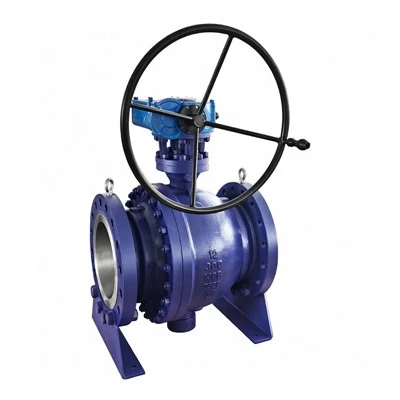
Floating-ball and trunnion-mounted designs serve different size, pressure, and operating requirements. Body construction is selected according to installation conditions and the intended service.
Bore and Flow Path
Full-bore designs provide a flow passage close to the pipeline's nominal internal diameter. Reduced-bore designs suit applications where the specified flow requirements permit a smaller passage. Two-way and three-way designs provide different flow paths.
Sealing Arrangement
Soft-seated designs support tight shutoff within their specified operating limits. Metal-seated designs are considered for compatible high-temperature or demanding services according to the valve design and leakage requirements.
Material selection considers the process medium, operating temperature, pressure, and corrosion conditions.
Body and Internal Components
Carbon steel and stainless steel are selected according to mechanical requirements and corrosion resistance. Ball, stem, and other wetted components are specified according to the medium and project requirements.
Seat and Seal Materials
PTFE and reinforced PTFE are used in suitable applications within their rated operating conditions. Alternative seat materials are selected according to temperature, chemical compatibility, pressure, and sealing requirements.
Operating Conditions
Provide the medium composition, normal and maximum pressure, temperature range, and operating frequency. These details help determine material compatibility, valve construction, sealing arrangement, and actuator requirements.

Accessories and Control Interfaces
Accessory selection establishes how the valve assembly connects to the plant's pneumatic and electrical control systems.
Solenoid Valve
Controls the air supply to the actuator for automated operation. Voltage, electrical connection, air interface, and environmental protection are selected according to project requirements.
Limit Switch Box and Position Feedback
Provides valve-position signals for monitoring and control. Feedback type, electrical interface, and enclosure protection are specified for the installation environment.
Air Preparation and Positioning
An air filter regulator supports the required actuator supply conditions. A positioner can be specified for compatible modulating applications.
Mounting and Integration
Brackets, couplings, and mounting interfaces are selected to match the valve stem, actuator, and applicable dimensions. The complete supply scope is confirmed before order approval.
Manufacturing Capabilities
Manufacturing processes support dimensional accuracy, component fit, and consistent assembly against approved specifications.
Research and Engineering
Engineering review covers valve configuration, material selection, critical dimensions, and actuator compatibility. Drawings and technical requirements are checked before production.
Precision Casting and Machining
Casting and machining establish body geometry, component dimensions, and sealing surfaces. Critical features are inspected against the applicable drawings and specifications.
Assembly and Configuration
Valve components, actuators, mounting hardware, and specified accessories are assembled according to the selected configuration. Operating direction and interface requirements are checked during assembly.

Inspection and testing follow the applicable product standard, technical specification, and agreed inspection plan.
Incoming and Dimensional Inspection
Specified materials, component dimensions, and critical machining features are checked against the relevant purchasing and engineering documents.
Pressure and Seat Leakage Testing
Shell pressure and seat leakage tests are performed according to the applicable test procedure and acceptance criteria. Requirements depend on valve design, pressure rating, and the specified standard.
Assembly and Functional Checks
The assembled unit is checked for opening and closing operation, actuator response, operating direction, and specified accessory functions. Applicable inspection and test records are confirmed with the order documentation.
Standards, Certifications and Documentation
Technical standards and documentation are established according to product design, destination market, and project requirements.
Design and Connection Standards
Applicable valve design, flange, face-to-face, and actuator mounting standards are confirmed for the selected model. The specified standards must match the product's actual design and dimensions.
Inspection Records
Available records may include material certificates, dimensional inspection results, pressure test reports, and product identification details, according to the agreed order scope.
Technical Documents
Product data sheets, dimensional drawings, installation instructions, and operation and maintenance documents can be specified during technical review. Certification requirements are confirmed for the relevant product and destination market.
Applications and Industries
Pneumatic actuated ball valves support automated isolation and flow routing across industrial process systems.
Oil and Gas
Selection considers medium composition, operating pressure, temperature, materials, and project specifications.
Chemical and Petrochemical Processing
Valve materials and sealing arrangements are selected according to chemical compatibility and process conditions.
Water and Wastewater Treatment
Pneumatic actuation supports remote isolation, automated sequencing, and pipeline operation.
Power and General Process Industries
Valve configuration depends on operating conditions, shutoff requirements, control sequence, and applicable engineering standards.
Customization and Global Supply
Valve assemblies are configured according to approved technical and commercial requirements.
Specification-Based Configuration
Available options may cover size, pressure rating, body and seat materials, end connections, actuator type, and control accessories.
Project Review
Drawings, data sheets, and valve schedules are reviewed to confirm dimensions, interfaces, operating conditions, and documentation requirements before production.
Order and Delivery Coordination
Quantity, inspection scope, packaging, identification, shipping requirements, and requested delivery dates are established during order review. Production schedules are confirmed according to model selection, quantity, and configuration.
Complete operating information helps establish the correct valve configuration and actuator size.
Information Required
Please provide the following details where available:
Valve size, pressure rating, and end connection.
Medium, operating pressure, and temperature.
Body, ball, stem, and seat material requirements.
Valve design and required flow path.
Actuator type and available air supply pressure.
Required fail position and control mode.
Accessories, feedback signals, and electrical requirements.
Quantity, destination, delivery schedule, and documentation requirements.

FAQ

Let’s Discuss Your Valve Requirements
Share your valve specifications, operating conditions, and automation requirements. Our team can help you review suitable valve configurations, actuator options, materials, and technical documentation to support your project requirements. Contact us to discuss your application and request a tailored quotation.
We are one of the most professional pneumatic actuated ball valve manufacturers and suppliers in China, also support customized service. We warmly welcome you to wholesale high quality pneumatic actuated ball valve in stock here from our factory. If you have any enquiry about quotation, please feel free to email us.
1 piece ball valves, api 608 ball valves, trunnion mounted ball valves