

In the realm of industrial fluid control, the butt weld globe valve stands as a cornerstone component, offering precise regulation and reliable shut - off capabilities. As a leading supplier of high - quality Butt Weld Globe Valves, we understand the critical importance of determining the optimal valve opening degree for different applications. This blog post aims to delve into the intricacies of this topic, shedding light on the factors that influence the ideal opening degree and how it impacts various industrial operations.
Understanding the Basics of a Butt Weld Globe Valve
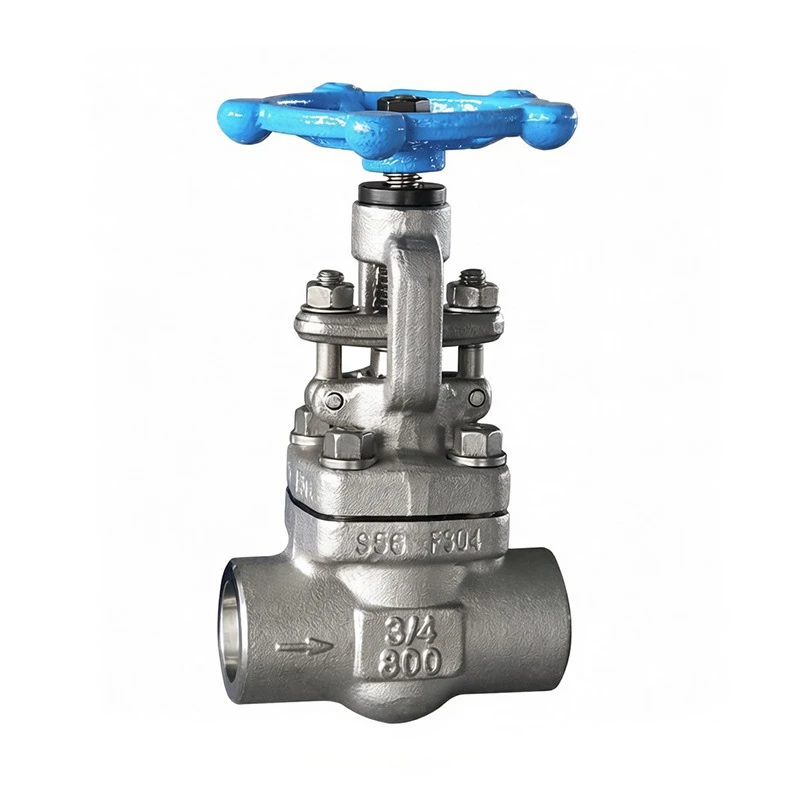
Before discussing the optimal opening degree, it's essential to understand what a butt weld globe valve is. The valve consists of a movable disk (or plug) and a stationary ring seat in a generally spherical body. The disk is connected to a stem, which can be moved up and down by turning the handwheel or using an actuator. When the disk is lowered onto the seat, the valve is closed, preventing the flow of fluid. When the disk is raised, fluid can pass through the valve.
The design of the globe valve allows for good throttling and shut - off performance. However, the relationship between the valve's opening degree and the flow rate is not linear. This non - linearity is a crucial aspect to consider when determining the optimal opening degree for specific applications.
Factors Affecting the Optimal Valve Opening Degree
Flow Rate Requirements
One of the primary factors influencing the optimal valve opening degree is the required flow rate of the fluid. Different industrial processes demand different flow rates to operate efficiently. For example, in a chemical manufacturing plant, a specific reaction may require a precise and constant flow of reactants. In such a case, the valve opening degree needs to be adjusted accurately to ensure the desired flow rate is maintained.
The flow rate through a valve is related to the pressure drop across it and the valve's opening area. As the opening degree of the globe valve increases, the opening area also increases, allowing more fluid to pass through. However, due to the valve's design, the change in flow rate is not proportionate to the change in opening degree. Engineers often use flow coefficient (Cv) values, which are specific to each valve, to calculate the relationship between the opening degree and the flow rate.
Pressure Conditions
Pressure is another critical factor in determining the optimal valve opening degree. In high - pressure systems, a smaller valve opening may be necessary to control the flow and prevent excessive pressure drops or surges. Opening the valve too wide in a high - pressure application can lead to cavitation, a phenomenon where vapor bubbles form and collapse in the fluid due to rapid pressure changes. Cavitation can cause damage to the valve internals and reduce the overall efficiency of the system.
Conversely, in low - pressure systems, a larger opening degree may be required to achieve the desired flow rate with minimal resistance. Understanding the pressure characteristics of the system, such as the inlet and outlet pressures, is essential for setting the appropriate valve opening.
Type of Fluid
The properties of the fluid being controlled by the valve also play a significant role. Viscous fluids, such as heavy oils or syrups, require a larger valve opening to flow through the valve at an acceptable rate compared to less viscous fluids like water or gases. Additionally, the chemical composition of the fluid can affect the valve's performance. Corrosive fluids may require special materials for the valve internals, and the opening degree may need to be adjusted to minimize the wear and tear on these materials.
Optimal Valve Opening Degree in Different Applications
Water Treatment Plants
In water treatment plants, butt weld globe valves are used to control the flow of water at various stages of the treatment process. For example, during the filtration stage, the valve opening degree is adjusted to ensure a constant and appropriate flow rate of water through the filters. A too - high flow rate can cause the filters to become clogged quickly, while a too - low flow rate can reduce the overall efficiency of the treatment process.
Typically, in water treatment applications, the valve is often opened between 30% - 70%, depending on the specific process requirements. This range allows for good flow control and minimizes the risk of pressure fluctuations that could disrupt the treatment process.
Oil and Gas Industry
In the oil and gas industry, butt weld globe valves are used in pipelines, refineries, and offshore platforms. In pipeline transportation, the valve opening degree is adjusted to control the flow of oil or gas over long distances. In high - pressure pipelines, the valve is usually maintained at a relatively small opening degree to ensure safe and efficient transportation.
In refineries, these valves are used in distillation columns, reactors, and heat exchangers. The optimal opening degree depends on the specific process within the refinery. For example, in a distillation column, the valve may be opened partially to control the reflux ratio, which is crucial for separating different components of the crude oil.
Power Generation
Power generation plants, whether they are fossil - fuel, nuclear, or hydro - electric, rely on butt weld globe valves for fluid control. In steam turbines, the valve opening degree is carefully adjusted to control the flow of steam, which in turn affects the power output of the turbine. A precise opening degree is required to maintain the turbine's efficiency and prevent over - or under - loading.
In cooling water systems, the valve opening degree is set to ensure an adequate supply of cooling water to the condensers and other equipment. This helps to maintain the optimal operating temperature of the power plant.
Comparison with Other Valve Types
It's also beneficial to compare the butt weld globe valve with other similar valve types, such as the Butt Weld Gate Valve. While gate valves are generally used for on - off applications and offer low pressure drop when fully open, they are not as suitable for throttling as globe valves. Globe valves, on the other hand, are designed to provide precise flow control, making them ideal for applications where a variable flow rate is required.
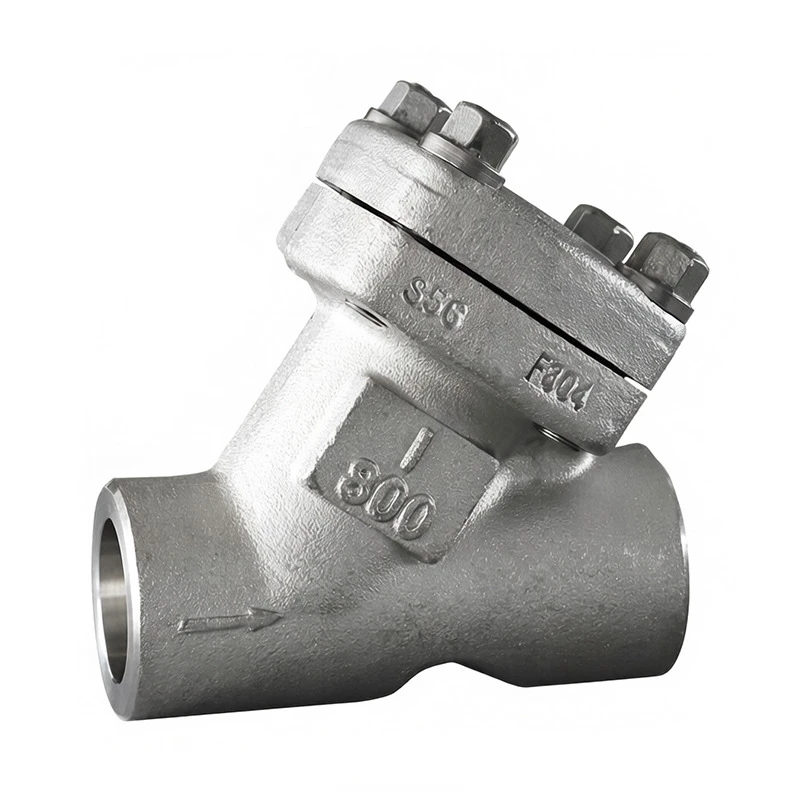
Another related component is the Forged Steel Butt - Weld Y - Type Strainer. Strainers are used to remove solid particles from the fluid stream, protecting the valve and other downstream equipment. In some applications, the operation of the strainer may also influence the optimal opening degree of the globe valve. For example, if the strainer becomes clogged, the valve opening degree may need to be adjusted to maintain the desired flow rate.
Importance of Valve Selection and Installation
Selecting the right butt weld globe valve for a specific application is crucial for achieving the optimal opening degree. Factors such as valve size, material, and pressure rating need to be carefully considered. Additionally, proper installation of the valve is essential to ensure accurate flow control. Incorrect installation can lead to misalignment, which can affect the valve's performance and make it difficult to achieve the desired opening degree.
Conclusion and Call to Action
Determining the optimal valve opening degree for a butt weld globe valve in different applications is a complex but essential task. It requires a thorough understanding of the system's requirements, including flow rate, pressure, and fluid properties. As a trusted Butt Weld Globe Valve supplier, we have the expertise and experience to help you select the right valve and determine the optimal opening degree for your specific application.
If you are in need of high - quality butt weld globe valves or have any questions about valve selection and operation, we encourage you to reach out for further discussion on your procurement needs. Our team of experts is ready to provide you with personalized solutions to meet your industrial fluid control requirements.
References
- Bloch, H. P., & Campbell, R. K. (2006). A Practical Guide to Valves. Butterworth - Heinemann.
- Fisher, B. (2011). Industrial Valves: Handbook for Selection, Design, and Installation. Springer Science & Business Media.
- Miller, D. S. (1990). Internal Flow Systems. BHRA Fluid Engineering.