

As a supplier of Butt Weld Globe Valve, I often encounter questions from customers about the suitability of our products in different operating conditions. One common query is whether a butt weld globe valve can be used in a system with pulsating flow. This is a crucial question, as the performance of a valve in a pulsating flow environment can significantly impact the overall efficiency and safety of the system.
Understanding Pulsating Flow
Before delving into the compatibility of butt weld globe valves with pulsating flow, it's essential to understand what pulsating flow is. Pulsating flow is characterized by periodic variations in fluid velocity, pressure, or both. These fluctuations can be caused by various factors, such as reciprocating pumps, compressors, or the opening and closing of other valves in the system. Pulsating flow can create additional stress on valves and other components in the system, potentially leading to premature wear, fatigue, and even failure.
Characteristics of Butt Weld Globe Valves
Butt weld globe valves are a popular choice for many industrial applications due to their excellent throttling capabilities, tight shut-off, and durability. These valves consist of a movable disk (or plug) that is perpendicular to the flow path and a stationary seat. By turning the valve stem, the disk can be raised or lowered, controlling the flow of fluid through the valve.
The design of butt weld globe valves provides several advantages, including:
- Precise Flow Control: The ability to precisely control the flow rate makes these valves suitable for applications where accurate regulation of fluid flow is required.
- Tight Shut-Off: Globe valves can provide a tight seal when closed, preventing leakage and ensuring the safety of the system.
- Durability: Butt weld connections provide a strong and reliable joint, making the valve suitable for high-pressure and high-temperature applications.
Compatibility with Pulsating Flow
The suitability of a butt weld globe valve in a system with pulsating flow depends on several factors, including the amplitude and frequency of the pulsations, the operating pressure and temperature, and the design and material of the valve.
Impact of Pulsations
Pulsating flow can cause several issues for valves, including:
- Vibration: The periodic fluctuations in fluid velocity and pressure can cause the valve to vibrate. Excessive vibration can lead to loosening of valve components, fatigue failure of the valve body or stem, and increased noise levels.
- Cavitation: If the pressure drops below the vapor pressure of the fluid during the pulsation cycle, cavitation can occur. Cavitation can cause damage to the valve seat and disk, leading to reduced performance and increased leakage.
- Erosion: The high-velocity fluid flow during the pulsation peaks can cause erosion of the valve internals, particularly the seat and disk. Erosion can degrade the sealing performance of the valve and reduce its service life.
Mitigating Factors
Despite these potential issues, butt weld globe valves can be used in systems with pulsating flow if certain precautions are taken:
- Valve Design: A well-designed globe valve with a sturdy construction and proper support can withstand the forces generated by pulsating flow. For example, valves with a heavy-duty valve body and stem can better resist vibration and fatigue.
- Material Selection: Choosing the right materials for the valve components is crucial. Hardened materials, such as stainless steel or alloy steel, can provide better resistance to erosion and cavitation.
- Pulsation Dampening: Installing pulsation dampeners upstream of the valve can help reduce the amplitude and frequency of the pulsations, minimizing the stress on the valve.
Case Studies
To illustrate the practical application of butt weld globe valves in pulsating flow systems, let's look at a few case studies.
Case Study 1: Oil and Gas Industry
In an oil and gas production facility, a reciprocating pump was used to transfer crude oil through a pipeline system. The pulsating flow generated by the pump caused significant vibration and noise in the system, as well as premature wear of the valves. By replacing the existing gate valves with Butt Weld Globe Valves and installing pulsation dampeners, the vibration and noise levels were significantly reduced, and the service life of the valves was extended.
Case Study 2: Chemical Processing
In a chemical processing plant, a compressor was used to compress a corrosive gas. The pulsating flow created by the compressor caused cavitation and erosion in the existing globe valves, leading to frequent leakage and maintenance issues. By upgrading to Forged Globe Valves with a corrosion-resistant alloy material and implementing a pulsation control strategy, the cavitation and erosion problems were resolved, and the reliability of the system was improved.
Other Valve Options
While butt weld globe valves can be suitable for pulsating flow systems, there are other valve types that may also be considered, depending on the specific requirements of the application.
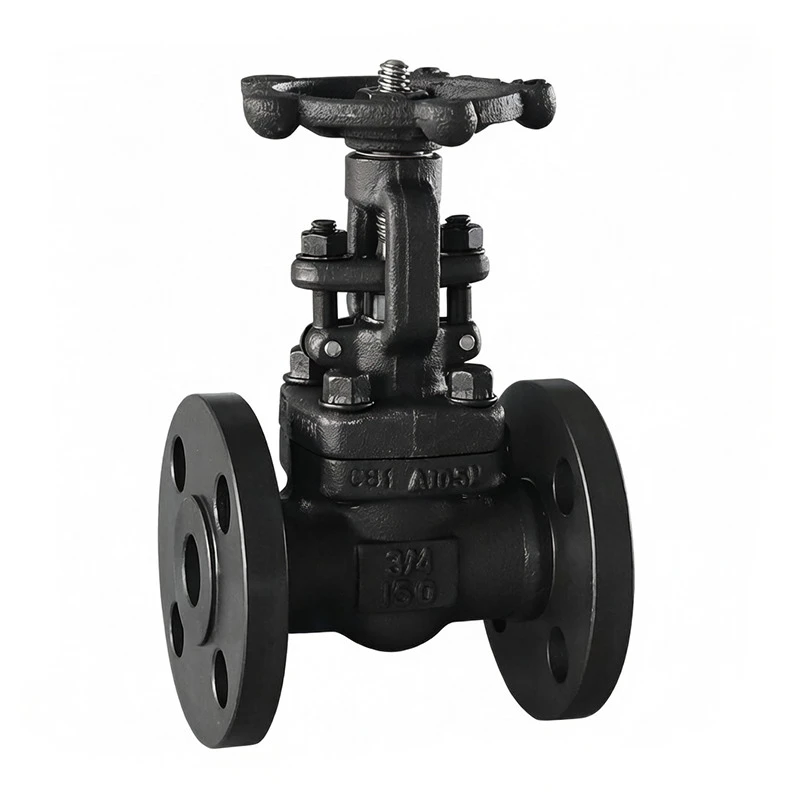
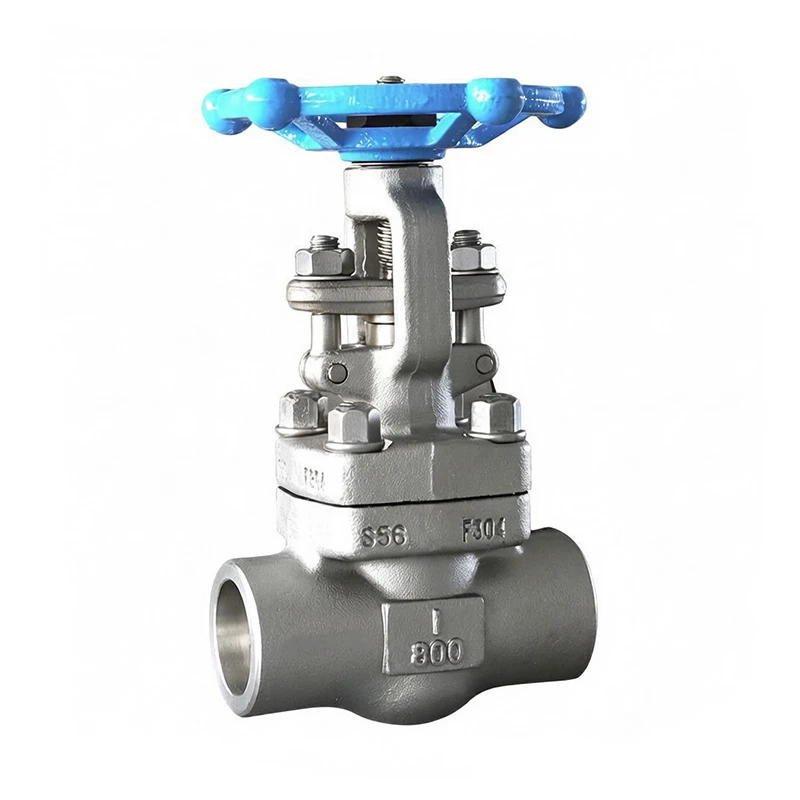
Forged Low Temperature Butt Weld Gate
Gate valves are often used for on-off applications where full flow is required. For applications in low-temperature environments with pulsating flow, forged low temperature butt weld gate valves can be a good choice. These valves are designed to withstand the low temperatures and provide a tight shut-off, even under pulsating conditions.
Forged Steel Flanged Gate Valve
Flanged gate valves are easy to install and maintain, making them a popular choice for many industrial applications. In systems with pulsating flow, forged steel flanged gate valves can provide reliable performance, especially when combined with proper pulsation dampening measures.
Butt Weld Gate Valve
Butt weld gate valves offer a strong and leak-proof connection, making them suitable for high-pressure and high-temperature applications. In pulsating flow systems, these valves can be used in combination with other components to ensure the smooth operation of the system.
Conclusion
In conclusion, a butt weld globe valve can be used in a system with pulsating flow, but careful consideration must be given to the specific operating conditions and potential challenges. By understanding the characteristics of pulsating flow, selecting the right valve design and materials, and implementing appropriate mitigation measures, such as pulsation dampening, the performance and reliability of the valve can be ensured.
As a supplier of high-quality Butt Weld Globe Valve, we have the expertise and experience to help you choose the right valve for your application. If you have any questions or need further information, please feel free to contact us for a detailed discussion. We look forward to working with you to meet your valve requirements.
References
- Fluid Mechanics: Fundamentals and Applications by Yunus A. Çengel and John M. Cimbala
- Valve Handbook by Leslie E. Koval
- Piping and Pipeline Engineering: Design, Construction, Maintenance, Integrity, and Repair by George A. Antaki