

As a supplier of Gate Valve Threaded Type, I've encountered numerous inquiries from customers about the issues they face, with jamming being one of the most common problems. In this blog, I'll delve into the various factors that can cause a gate valve threaded type to jam, providing you with a comprehensive understanding of the root causes.
1. Contamination and Foreign Particles
One of the primary culprits behind a jammed gate valve is the presence of contamination and foreign particles within the valve. In industrial settings, pipelines often carry fluids that may contain dirt, sand, rust, or other debris. When these particles enter the valve, they can accumulate in the threaded area or between the gate and the seat.
Over time, the build - up of these contaminants can create friction and prevent the smooth movement of the gate. For instance, if the fluid being transported is water from a well, it may carry sediment. As the valve is operated, the sediment gradually settles in the valve's internal components. This can cause the gate to get stuck in either the open or closed position. To mitigate this issue, it is advisable to install a Forged Steel Butt - Weld Y - Type Strainer upstream of the gate valve. This strainer can effectively filter out large particles, reducing the risk of contamination reaching the valve.
2. Corrosion
Corrosion is another significant factor that can lead to a gate valve threaded type jamming. The valve is often exposed to harsh environments, including corrosive chemicals, moisture, and high temperatures. When the metal surfaces of the valve, especially the threaded parts and the gate, are corroded, their smoothness is compromised.
Corrosion can cause the threads to become rough or damaged. As a result, when the valve is turned, the threaded connection cannot function properly, leading to jamming. For example, in a chemical processing plant where the valve is in contact with acidic solutions, the metal can corrode rapidly. To prevent corrosion, using valves made of corrosion - resistant materials such as stainless steel is crucial. Additionally, regular maintenance and inspection can help detect early signs of corrosion and take appropriate measures.
3. Improper Installation
Improper installation is a common yet preventable cause of gate valve jamming. If the valve is not installed correctly, it can lead to misalignment of the gate and the seat. For example, if the valve is not properly aligned with the pipeline during installation, the gate may not move freely within the valve body.
Moreover, over - tightening or under - tightening the threaded connections can also cause problems. Over - tightening can damage the threads, making it difficult to turn the valve. On the other hand, under - tightening can result in leaks and allow contaminants to enter the valve, increasing the risk of jamming. It is essential to follow the manufacturer's installation guidelines carefully. When installing a Forged Globe Valve or other related valves, the same level of precision in installation should be maintained to ensure proper functioning.
4. Wear and Tear
With continuous use, the components of a gate valve threaded type will experience wear and tear. The gate, seat, and threads are subject to mechanical stress every time the valve is opened or closed. Over time, this can lead to the degradation of these parts.
The gate may wear down, causing it to fit less snugly in the seat. This can result in leakage and also increase the likelihood of jamming. Similarly, the threads can become worn, reducing their ability to provide a smooth and reliable connection. To address wear and tear, regular maintenance is necessary. This includes lubricating the threads and inspecting the valve for signs of excessive wear. If worn parts are detected, they should be replaced promptly.
5. Temperature and Pressure Fluctuations
Temperature and pressure fluctuations in the pipeline can also cause a gate valve threaded type to jam. Extreme temperatures can cause the metal to expand or contract, affecting the fit between the gate and the seat. For example, in a steam pipeline, the high temperature can cause the valve components to expand. If the valve is not designed to accommodate this expansion, it can lead to jamming.
Pressure fluctuations can also put additional stress on the valve. High - pressure surges can force the gate to move suddenly, potentially causing it to get stuck. To deal with these issues, it is important to select a gate valve that is suitable for the specific temperature and pressure conditions of the application. A Butt Weld Gate Valve with appropriate pressure and temperature ratings can be a good choice for applications with fluctuating conditions.
6. Incorrect Thread Design or Manufacturing Defects
In some cases, the root cause of a jammed gate valve can be traced back to incorrect thread design or manufacturing defects. If the thread pitch is not accurate or the threads are not cut properly, it can lead to problems with the movement of the valve. Manufacturing defects such as uneven surfaces or cracks in the valve body can also cause jamming.
When selecting a gate valve, it is important to choose a reputable supplier. As a supplier of Gate Valve Threaded Type, we pay strict attention to the quality control of our products. We use advanced manufacturing techniques to ensure that the threads are accurately designed and cut, minimizing the risk of jamming.
Addressing Jamming Issues
If you encounter a jammed gate valve, there are several steps you can take. First, try to clean the valve to remove any contaminants. If the jamming is due to corrosion, you may need to use appropriate corrosion - removal agents. In cases where the valve is severely damaged, it may be necessary to replace it.
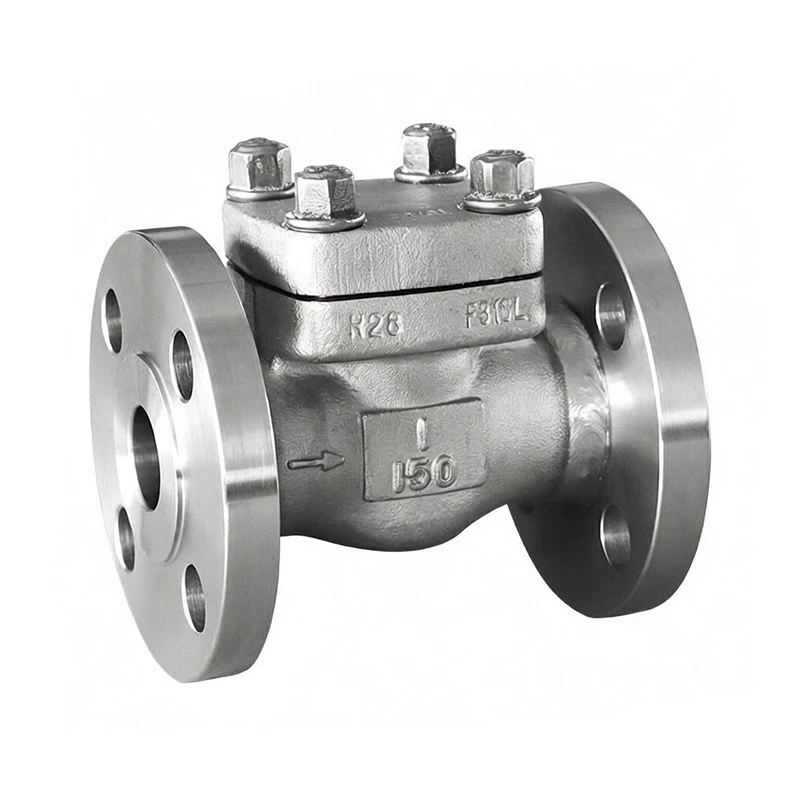
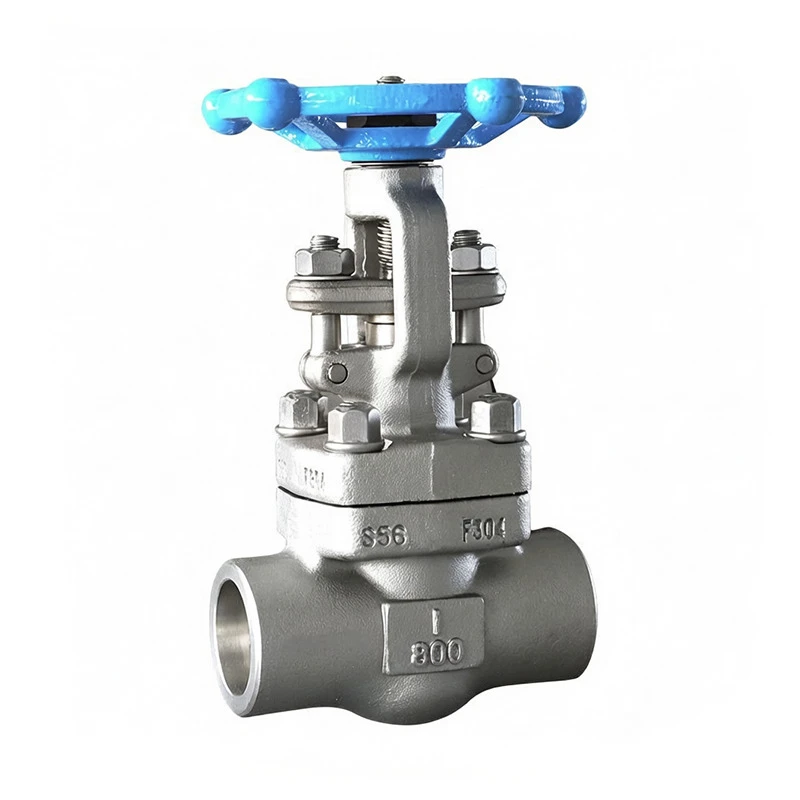
As a professional supplier, we offer a wide range of high - quality gate valves, including Forged Low Temperature Butt Weld Gate and Flange Type Non Return Valve. Our products are designed to withstand various operating conditions and minimize the risk of jamming.
If you are facing issues with your gate valve or are in need of a reliable valve supplier, we encourage you to contact us for procurement and further discussions. Our team of experts is ready to provide you with the best solutions tailored to your specific needs.
References
- Valve Handbook, 4th Edition, by Robert W. McKetta
- Industrial Valves: Design and Application, by David W. Plummer