

Picking the perfect size for a forged globe valve isn't just a shot in the dark. As a forged globe valve supplier, I've seen firsthand how crucial it is to get this right. A wrong - sized valve can lead to all sorts of problems, from inefficiency to system failures. So, let's break down the steps to choose the right size.
Flow Rate Considerations
First up, you gotta think about the flow rate. Flow rate is basically how much fluid passes through the valve in a given time. To figure out the correct valve size for a specific flow rate, you need some math. Hydraulic equations come in handy here. The most common one uses the valve coefficient (Cv), which measures a valve's capacity to pass flow.
The equation for calculating Cv is Cv = Q√(SG)/ΔP, where Q is the flow rate, SG is the specific gravity of the fluid, and ΔP is the pressure drop across the valve. Once you have the Cv value, you can refer to valve sizing charts provided by manufacturers.
Let's say you're dealing with a water system. The specific gravity of water is close to 1. If you know the flow rate in gallons per minute (GPM) and the pressure drop in pounds per square inch (PSI), you can calculate the Cv. Then, look at our sizing charts to find a valve with a Cv rating that matches or slightly exceeds your calculated value.
If you choose a valve that's too small for the flow rate, it'll cause a high pressure drop. This means your pump has to work harder, using more energy and increasing costs. On the flip side, a valve that's too large can lead to unstable flow and poor control.
Pressure Requirements
Pressure is another big deal. You need to know the maximum and minimum pressures in the system where the valve will be installed. The valve has to be able to handle these pressures without leaking or failing.
Forged globe valves are designed to withstand different pressure ratings. You'll often see ratings like Class 150, Class 300, and so on. These classes represent the maximum pressure the valve can handle at a specific temperature.
For example, a Class 150 valve can handle a lower pressure compared to a Class 300 valve. If you install a Class 150 valve in a high - pressure system, it might burst or develop leaks. So, make sure to choose a valve with a pressure rating that's appropriate for your system.
When considering pressure, also think about pressure surges. These are sudden increases in pressure that can happen due to things like pump starts and stops. A valve that can handle the normal operating pressure might not be able to withstand a pressure surge. So, it's wise to choose a valve with a bit of a safety margin.
Pipe Size Compatibility
The size of the valve should match the pipe size in the system. If the valve is too small for the pipe, it'll create a bottleneck. This restricts flow and can lead to increased pressure drop. On the other hand, if the valve is too large, it can be difficult to install and might not seal properly.
Most of the time, you'll want a valve with the same nominal pipe size (NPS) as the pipe it's going to be connected to. But keep in mind that there are different types of connections, like flanged, butt - weld, and threaded.
For example, our Forged Steel Flanged Gate Valve is a great option for systems that require a flanged connection. The flanges on the valve are designed to match the flanges on the pipes, ensuring a secure and leak - free connection. And if you need a butt - weld connection, check out our Butt Weld Globe Valve. It's built to be welded directly to the pipes, providing a strong and durable joint.
Temperature Influences
The operating temperature of the system is also an important factor. Different materials used in forged globe valves have different temperature limits. For example, some materials might become brittle at low temperatures, while others might lose their strength at high temperatures.
If you're dealing with a low - temperature system, our Forged Low Temperature Butt Weld Gate is a great choice. It's specifically designed to handle the challenges of cold environments. On the other hand, if you have a high - temperature application, make sure to choose a valve made from a material that can withstand the heat.
System Type and Application
The type of system and the specific application also play a role in valve sizing. For example, a water supply system has different requirements compared to a chemical processing system.
In a water supply system, the main goal is usually to control the flow of water efficiently. You need a valve that can open and close smoothly and provide accurate flow control.
In a chemical processing system, the valve has to be resistant to the chemicals being used. It also has to be able to handle the specific flow rates and pressures associated with chemical processes. Our Butt Weld Gate Valve can be a good option for many industrial applications, including chemical processing, due to its robust design and reliable performance.
Another consideration is whether the valve is used for on - off control or throttling. For on - off control, a larger valve might be acceptable as long as it can close tightly. But for throttling applications, where you need to control the flow precisely, a more accurately sized valve is essential.
Future Expansion Plans
Don't forget to think about the future. If there are plans to expand the system or increase the flow rate in the future, you might want to choose a slightly larger valve now. This can save you the hassle and cost of replacing the valve later.
However, you don't want to go overboard. Choosing a valve that's too large for current and future needs can still cause problems. So, make sure to have a clear understanding of the future expansion plans and factor that into your decision.
Sizing Tools and Expert Advice
There are several sizing tools available, like online calculators and software. These tools can help you do the calculations and choose the right valve size based on the input parameters like flow rate, pressure, and temperature.
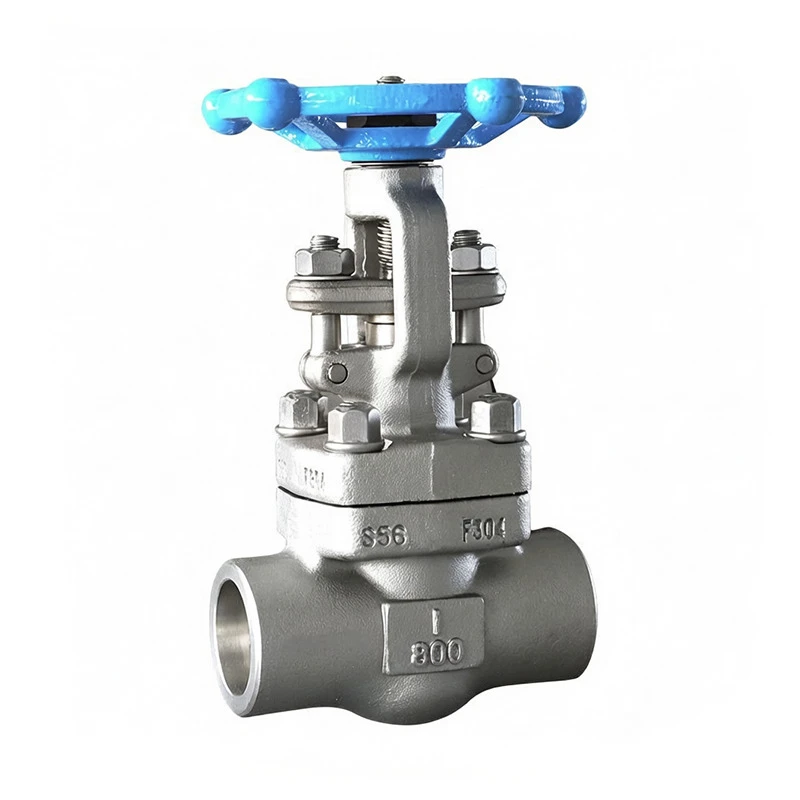
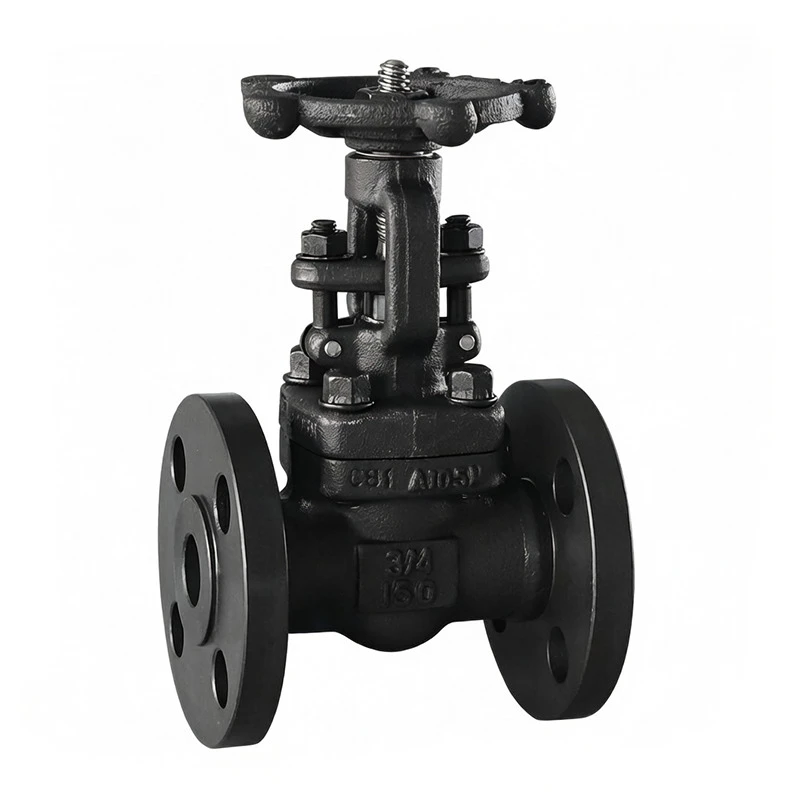
But even with these tools, it's always a good idea to get expert advice. As a forged globe valve supplier, we have a team of experts who can help you make the right choice. We've dealt with all sorts of systems and applications, and we can provide valuable insights based on our experience.
Conclusion
Choosing the right size of a forged globe valve involves considering multiple factors, including flow rate, pressure, pipe size, temperature, system type, and future plans. It's not a decision to be taken lightly. A well - sized valve ensures the efficient and reliable operation of your system, saving you money on energy costs and maintenance in the long run.
If you're in the process of selecting a forged globe valve for your system and need help with sizing or have any other questions, don't hesitate to reach out. We're here to help you make the best choice for your specific needs. Whether you're looking for a Gate Valve Threaded Type or any other type of forged valve, we've got the expertise and the products to meet your requirements. Let's have a chat and get your system running smoothly.
References
- Crane Technical Paper 410, Flow of Fluids through Valves, Fittings, and Pipe
- Standards of the American Petroleum Institute (API) for valve design and installation
- Manufacturer's valve sizing guides and catalogs