

Cavitation is a phenomenon that can significantly impact the performance and lifespan of valves, especially in fluid control systems. As a leading supplier of stainless steel flanged ball valves, understanding the cavitation resistance of our products is of utmost importance. In this blog, we will delve into what cavitation resistance means for a stainless steel flanged ball valve, its implications, and how our valves are engineered to withstand cavitation.
Understanding Cavitation
Cavitation occurs when the pressure of a liquid drops below its vapor pressure, causing the formation of vapor bubbles. These bubbles then collapse when they enter a region of higher pressure. The collapse of these bubbles generates intense shockwaves and high - velocity micro - jets, which can cause damage to the valve components, including erosion, pitting, and noise.
In the context of a stainless steel flanged ball valve, cavitation can occur when there is a significant pressure drop across the valve, typically during throttling operations. For example, in a high - pressure pipeline where the valve is used to regulate the flow rate, the sudden reduction in pressure as the fluid passes through the partially open valve can trigger cavitation.
Importance of Cavitation Resistance
The cavitation resistance of a stainless steel flanged ball valve is crucial for several reasons. Firstly, it ensures the longevity of the valve. Cavitation - induced damage can lead to premature failure of the valve, resulting in increased maintenance costs and downtime. By having high cavitation resistance, the valve can maintain its structural integrity over a longer period.
Secondly, it helps in maintaining the performance of the fluid control system. Cavitation can cause erratic flow characteristics, noise, and vibration, which can disrupt the normal operation of the system. A valve with good cavitation resistance can provide stable and consistent flow control, ensuring the system operates smoothly.
Factors Affecting Cavitation Resistance in Stainless Steel Flanged Ball Valves
Material Selection
Stainless steel is a popular choice for ball valves due to its corrosion resistance and mechanical strength. However, the type of stainless steel used can affect cavitation resistance. For instance, austenitic stainless steels like 316 and 316L are commonly used because they have good corrosion resistance and moderate strength. But for applications where high cavitation resistance is required, precipitation - hardened stainless steels or super - duplex stainless steels may be more suitable. These materials have higher strength and hardness, which can better withstand the impact of cavitation - induced shockwaves and micro - jets.
Valve Design
The design of the ball valve also plays a significant role in cavitation resistance. A well - designed valve will minimize the pressure drop across it, reducing the likelihood of cavitation. For example, a full - port ball valve, where the bore of the ball is the same size as the pipeline, allows for a more unrestricted flow of fluid. This reduces the velocity and pressure drop of the fluid passing through the valve, thus reducing the chances of cavitation.
The shape of the ball and the seats also affects cavitation. A ball with a smooth surface and a well - machined seat can provide a more consistent flow path, minimizing turbulent flow and pressure fluctuations that can lead to cavitation.
Operating Conditions
The operating conditions of the valve, such as fluid velocity, pressure differential, and fluid properties, can impact cavitation resistance. Higher fluid velocities and larger pressure differentials increase the likelihood of cavitation. Additionally, the properties of the fluid, such as its vapor pressure and viscosity, also play a role. For example, fluids with lower vapor pressures are less likely to cavitate.
Our Stainless Steel Flanged Ball Valves and Cavitation Resistance
As a supplier of stainless steel flanged ball valves, we take a comprehensive approach to ensure high cavitation resistance in our products.
Advanced Material Utilization
We carefully select the stainless steel materials for our valves based on the specific application requirements. For high - cavitation environments, we use high - strength stainless steels that can withstand the erosive forces of cavitation. Our quality control processes ensure that the materials meet the highest standards, providing long - lasting protection against cavitation damage.
Innovative Design
Our engineering team is constantly working on improving the design of our ball valves to enhance cavitation resistance. We use computational fluid dynamics (CFD) simulations to analyze the flow patterns inside the valve and optimize the design accordingly. This involves refining the shape of the ball, the seats, and the valve body to minimize pressure drops and turbulent flow.
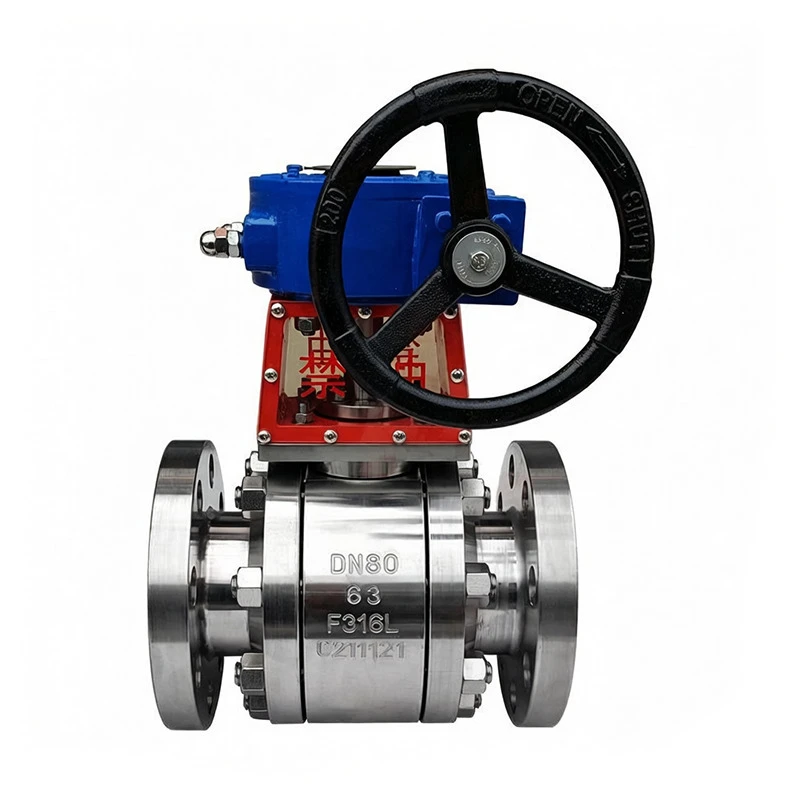
In addition, we offer different types of ball valves to suit various applications. For example, our Oxygen Ball Valve is designed with specific features to ensure safe and reliable operation in oxygen - rich environments while also providing good cavitation resistance. Similarly, our Forged Double Ball Valve offers enhanced durability and performance, making it suitable for applications where cavitation may be a concern.
Customization
We understand that each application is unique, and the cavitation resistance requirements can vary. Therefore, we offer customized solutions to meet the specific needs of our customers. Our technical experts work closely with clients to understand their operating conditions, such as fluid type, pressure, and flow rate, and then design and manufacture valves that provide optimal cavitation resistance.
Applications and Case Studies
Our stainless steel flanged ball valves with high cavitation resistance have been successfully used in a wide range of applications.
Oil and Gas Industry
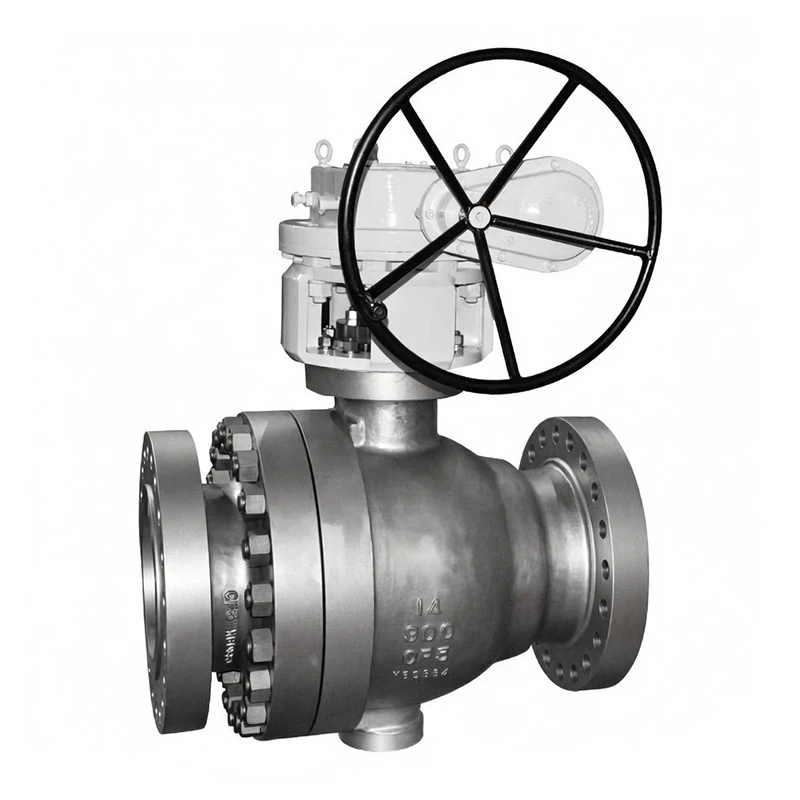
In the oil and gas industry, valves are often subjected to high - pressure and high - velocity fluid flows, which can cause cavitation. Our valves are used in pipelines, refineries, and offshore platforms to control the flow of oil, gas, and other fluids. For example, in a high - pressure pipeline where a significant pressure drop occurs during flow regulation, our High Pressure Forged Steel 3 - Piece Flanged Ball Valve has proven to withstand the cavitation forces, ensuring reliable operation and reducing maintenance costs.
Chemical Processing
In chemical processing plants, valves need to handle corrosive fluids and high - pressure conditions. Cavitation can not only damage the valves but also contaminate the chemicals. Our valves, made from corrosion - resistant stainless steels, provide excellent cavitation resistance, ensuring the safe and efficient operation of chemical processes. Our High Pressure Cryogenic Forged Flanged Ball is suitable for applications where low - temperature and high - pressure conditions are present, such as in the storage and transportation of liquefied gases.
Power Generation
Power generation plants, whether thermal, hydro, or nuclear, rely on valves to control the flow of water, steam, and other fluids. Cavitation can cause damage to the valves, leading to reduced efficiency and potential safety hazards. Our High Pressure Metal Seated Trunnion Ball valves are designed to provide high cavitation resistance in these demanding applications, ensuring the reliable operation of power generation systems.
Contact Us for Your Ball Valve Needs
If you are in need of high - quality stainless steel flanged ball valves with excellent cavitation resistance, we are here to help. Our team of experts can provide you with detailed technical information, guidance on product selection, and customized solutions to meet your specific requirements. Whether you are in the oil and gas, chemical processing, power generation, or any other industry, we have the expertise and products to ensure the efficient and reliable operation of your fluid control systems. Contact us today to start a discussion about your valve needs and let us help you find the perfect solution for your application.
References
- Anderson, T. J. (2019). Valve Selection and Sizing Handbook. Elsevier.
- Miller, D. S. (2018). Internal Flow Systems: Pipes, Fittings, Valves, and Pumps. Springer.
- ASME B16.34. (2017). Valves–Flanged, Threaded, and Welding End. American Society of Mechanical Engineers.