

Picking the right size of a forged steel check valve is super crucial. As a forged steel check valve supplier, I've seen firsthand how a wrong - sized valve can mess up a system. So, let's dig into how you can make the best choice.
Flow Rate
First off, you need to figure out the flow rate of your system. This is basically how much fluid (could be liquid or gas) moves through the pipeline in a given time. You can measure it in gallons per minute (GPM) for liquids or cubic feet per minute (CFM) for gases.
To get an accurate flow rate, you'll need to look at your system's design and how it operates. For example, if it's an industrial process, check the production rate and the amount of fluid needed at each stage. Once you've got this number, you can start looking at valves that can handle that flow.
A valve that's too small won't be able to let the fluid pass at the required rate. This can cause a build - up of pressure in the pipeline, which might lead to leaks or even damage to the system. On the other hand, a valve that's too large can be wasteful. It'll cost more and might not work as efficiently because there won't be enough flow through it to keep it functioning properly.
If you're unsure about calculating the flow rate, there are some handy online calculators available. Just input the necessary data like pipe diameter, fluid velocity, and you can get a good estimate.
Pipe Size
Matching the valve size to the pipe size is a no - brainer. The forged steel check valve should fit snugly into the pipeline. Most of the time, you'll want to choose a valve with the same nominal size as your pipe.
But here's the thing, sometimes the pipe might have a non - standard size or there could be some specific requirements in your system. In such cases, you might need an adapter or a valve that can be customized to fit.
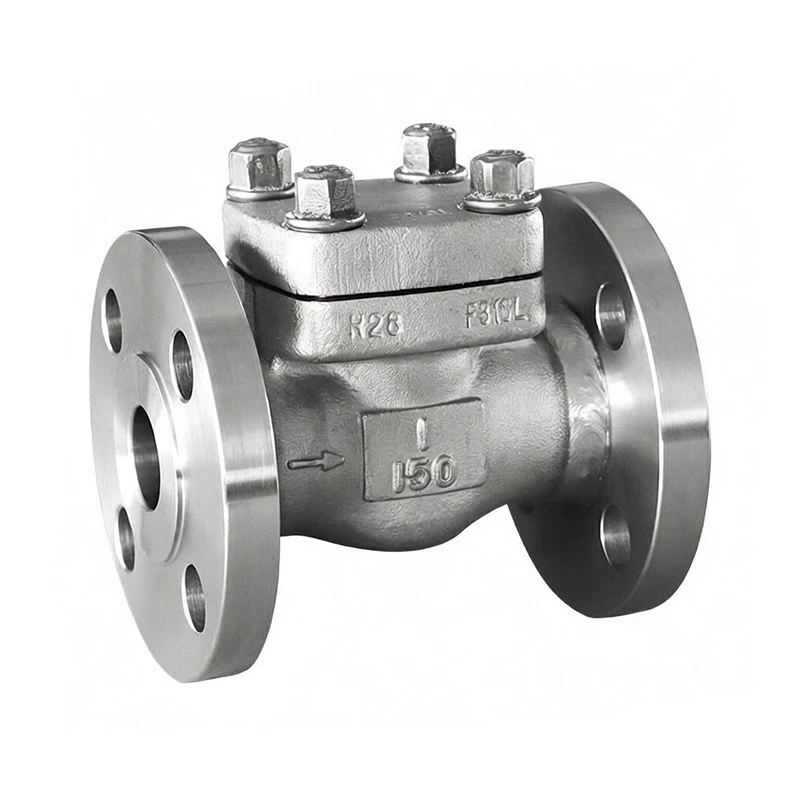
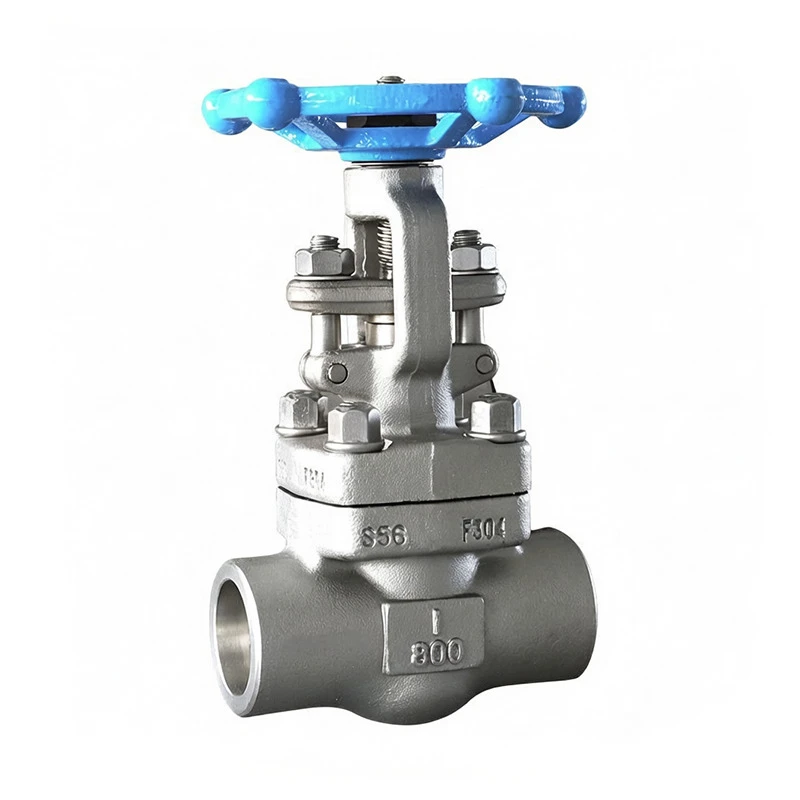
When you're looking at pipe sizes, make sure you know the difference between nominal size and actual size. For example, a 2 - inch nominal pipe might not have an actual diameter of exactly 2 inches. You can find detailed pipe sizing charts online or in plumbing and engineering handbooks.
If you choose a valve that's too big or too small for the pipe, it can lead to all sorts of problems. A mis - sized valve can cause turbulence in the flow, which reduces efficiency. It can also make it difficult to install the valve properly, increasing the risk of leaks.
Pressure Rating
The pressure rating of your system is another key factor. You need to know the maximum pressure that the fluid will exert on the valve. This is measured in pounds per square inch (PSI) or bar.
Your forged steel check valve should have a pressure rating that's higher than the maximum pressure in your system. This provides a safety margin. If the valve's pressure rating is too low, it could fail under high - pressure conditions, leading to a dangerous situation.
To determine the pressure rating of your system, look at the pressure - generating equipment like pumps or compressors. You might also need to consider any pressure fluctuations that could occur during normal operation.
Manufacturers usually mark the pressure rating on the valve. Make sure to double - check this information before making a purchase. And if you're dealing with a high - pressure system, you might want to consider a valve with a higher safety factor.
Temperature
Temperature plays a big role in valve selection. Different forged steel check valves are designed to work within specific temperature ranges.
If the fluid in your system is very hot or very cold, you need to choose a valve that can withstand those temperatures. For high - temperature applications, you'll need a valve made from materials that won't deform or lose their strength. Stainless steel is a popular choice for high - temperature systems.
On the other hand, for low - temperature applications, you might need a valve like the Forged Low Temperature Butt Weld Gate. These valves are designed to prevent issues like brittleness and cracking in cold conditions.
You can find the temperature rating of a valve in its product specifications. Make sure to match the valve's temperature range to the actual operating temperature of your system.
Application
The application of the valve also matters. Different industries and processes have different requirements.
For example, in a water treatment plant, you might need a valve that can handle contaminants and has good corrosion resistance. In an oil and gas pipeline, you'll need a valve that can withstand high pressures and harsh chemicals.
Let's say you're in a system where there's a risk of reverse flow, a good choice would be a Flange Type Non Return Valve. These valves are specifically designed to prevent backflow of fluid.
In some applications, you might also need a valve with a certain level of precision in control. For instance, in a chemical manufacturing process, accurate flow control is essential.
Other Related Forged Steel Products
While we're on the topic of forged steel valves, it's worth mentioning some other related products. If you're looking for a valve with different functionality, you might consider a Forged Globe Valve. These valves are great for throttling flow and providing precise control.
If you need a valve for isolation purposes, the Butt Weld Gate Valve is a popular choice. It can completely shut off the flow when needed.
And if you want to protect your valve and other equipment from debris, a Forged Steel Butt - Weld Y - Type Strainer can be a great addition to your system.
Conclusion
Choosing the right size of a forged steel check valve is a multi - step process. You need to consider factors like flow rate, pipe size, pressure rating, temperature, and application. By taking the time to carefully evaluate these aspects, you can select a valve that will work efficiently and reliably in your system.
If you're still unsure about which valve is right for you, don't hesitate to reach out. We're here to help you make the best choice for your specific needs. Whether you need technical advice or want to discuss a potential purchase, just get in touch and we'll work with you to find the perfect forged steel check valve for your system.
References
- "Valve Handbook", Industrial Valve Association
- Pipe Sizing and Valve Selection Guidelines, National Society of Professional Engineers