

Hey there! As a supplier of Forged Steel Check Valves, I've been getting a lot of questions lately about how these valves hold up in different environments. So, I thought I'd take a deep - dive into the corrosion resistance of forged steel check valves and share what I've learned over the years.
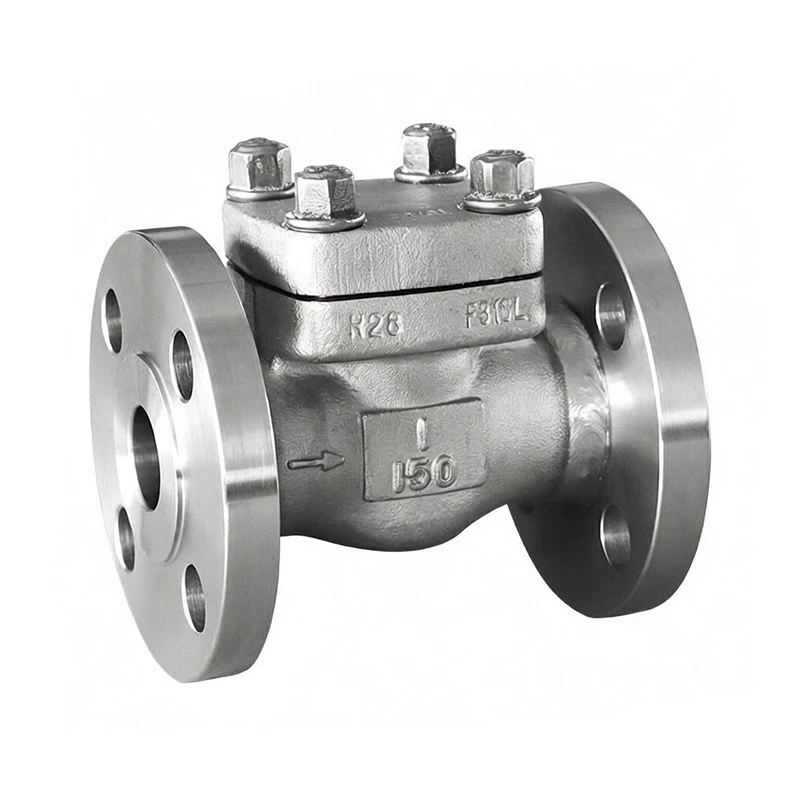
First off, let's talk about what a forged steel check valve is. A Forged Steel Check Valve is a type of valve that allows fluid to flow in one direction only. It's made by forging, which is a process that involves shaping metal using compressive forces. This process gives the valve a high - strength structure, making it suitable for a wide range of applications.
Now, corrosion is a big deal when it comes to valves. It can cause leaks, reduce the valve's lifespan, and even lead to system failures. So, understanding how forged steel check valves resist corrosion in different environments is crucial.
Corrosion Resistance in Freshwater Environments
Freshwater is generally less corrosive compared to other types of water. In a freshwater system, forged steel check valves usually do a pretty good job. The steel used in these valves has a natural oxide layer that forms on its surface, which acts as a protective barrier against corrosion. This layer is called the passive film.
However, it's not all sunshine and rainbows. Even in freshwater, there can be dissolved oxygen, minerals, and other contaminants that can cause corrosion over time. For example, if the water has a high level of dissolved oxygen, it can react with the iron in the steel to form rust. But if the valve is made from high - quality forged steel with the right alloy composition, it can resist this type of corrosion quite well.
Corrosion Resistance in Saltwater Environments
Saltwater is a whole different ballgame. The high concentration of salt in seawater makes it extremely corrosive. Chloride ions in the saltwater can break down the passive film on the surface of the forged steel check valve, exposing the metal underneath to corrosion.
Pitting corrosion is a common problem in saltwater environments. This is when small holes or pits form on the surface of the metal, which can eventually lead to the failure of the valve. To combat this, we often recommend using forged steel check valves with a higher percentage of alloying elements like chromium, nickel, and molybdenum. These elements can enhance the corrosion resistance of the steel and make it more resistant to pitting.
Corrosion Resistance in Chemical Environments
Chemical environments can be very harsh on forged steel check valves. Different chemicals can react with the steel in different ways. For example, acids can dissolve the metal, while alkalis can cause stress corrosion cracking.
If the valve is going to be used in a chemical environment, it's important to choose the right material. Some forged steel check valves are specifically designed to resist certain chemicals. For instance, if the application involves handling sulfuric acid, a valve made from stainless steel with high molybdenum content might be a good choice.
Corrosion Resistance in High - Temperature Environments
High - temperature environments can also affect the corrosion resistance of forged steel check valves. At high temperatures, the rate of corrosion increases. Oxidation is a common form of corrosion in high - temperature environments, where the metal reacts with oxygen in the air to form metal oxides.
Moreover, thermal stress can cause the valve to expand and contract, which can damage the passive film and make the valve more susceptible to corrosion. To deal with high - temperature corrosion, we can use heat - resistant alloys. These alloys are designed to maintain their strength and corrosion resistance at elevated temperatures.
Other Factors Affecting Corrosion Resistance
Apart from the environment, there are other factors that can affect the corrosion resistance of forged steel check valves. The manufacturing process plays a huge role. A well - forged valve with proper heat treatment will have better corrosion resistance than a poorly manufactured one.
The surface finish of the valve is also important. A smooth surface finish can reduce the area where corrosion can start. Additionally, proper installation and maintenance can go a long way in preventing corrosion. For example, ensuring that the valve is properly lubricated and that there are no leaks can help keep corrosion at bay.
Our Other Products
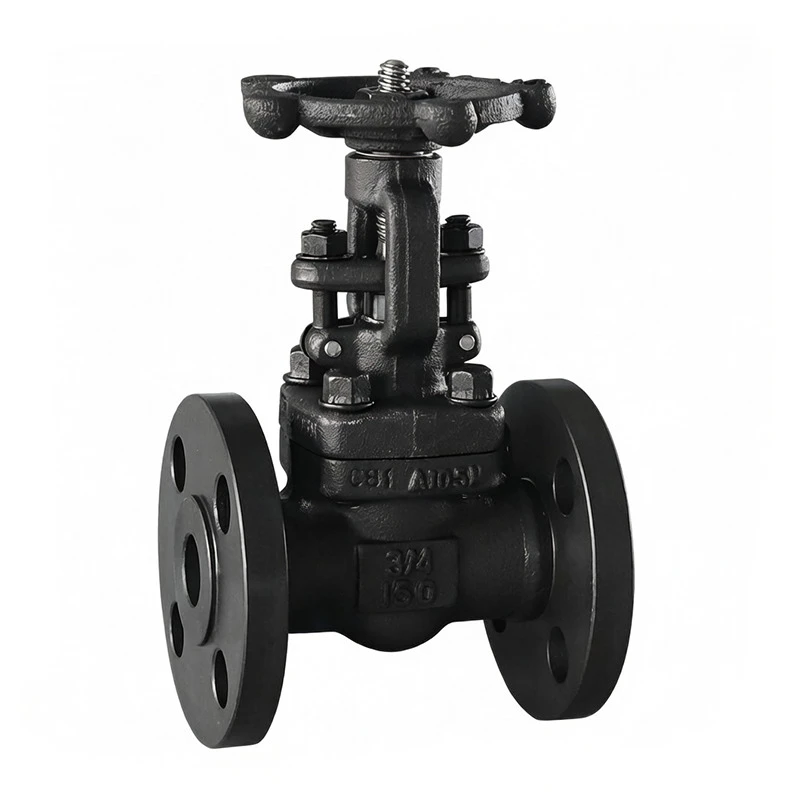
As a supplier, we don't just offer forged steel check valves. We also have a range of other high - quality products. For example, our Forged Steel Flanged Gate Valve is a great option for applications where you need to control the flow of fluid. It's made from forged steel, which gives it strength and durability.
Our Forged Globe Valve is another popular choice. It's designed to provide precise flow control, making it ideal for applications where accurate regulation is required.
If you're looking for a non - return valve, check out our Flange Type Non Return Valve. It's reliable and can prevent backflow in your system.
And for applications where you need to filter out debris, our Forged Steel Butt - Weld Y - Type Strainer is a great option. It can protect your valves and other equipment from damage.
Conclusion and Call to Action
In conclusion, the corrosion resistance of forged steel check valves varies depending on the environment. Whether it's freshwater, saltwater, chemical, or high - temperature environments, there are ways to ensure that the valves hold up well. By choosing the right materials, proper manufacturing processes, and taking care of installation and maintenance, you can maximize the lifespan of your forged steel check valves.
If you're in the market for high - quality forged steel check valves or any of our other products, don't hesitate to reach out. We're here to help you find the right solutions for your needs. Whether you have questions about corrosion resistance or just want to know more about our products, give us a shout. We'll be happy to have a chat and discuss how our products can fit into your project.
References
- “Corrosion and Protection of Metals in Water Systems”. ASM Handbook, Volume 13B.
- “Materials Selection for Marine Environments”. NACE International.
- “Corrosion in Chemical Processing Industry”. Society of Chemical Industry.