

As a supplier of Worm Gear Trunnion Flanged Ball products, I often encounter inquiries about the rotational angle of these components. Understanding the rotational angle is crucial for the proper functioning and application of worm gear trunnion flanged balls in various industries. In this blog, I will delve into the concept of the rotational angle of a worm gear trunnion flanged ball, its significance, and how it impacts different applications.
What is a Worm Gear Trunnion Flanged Ball?
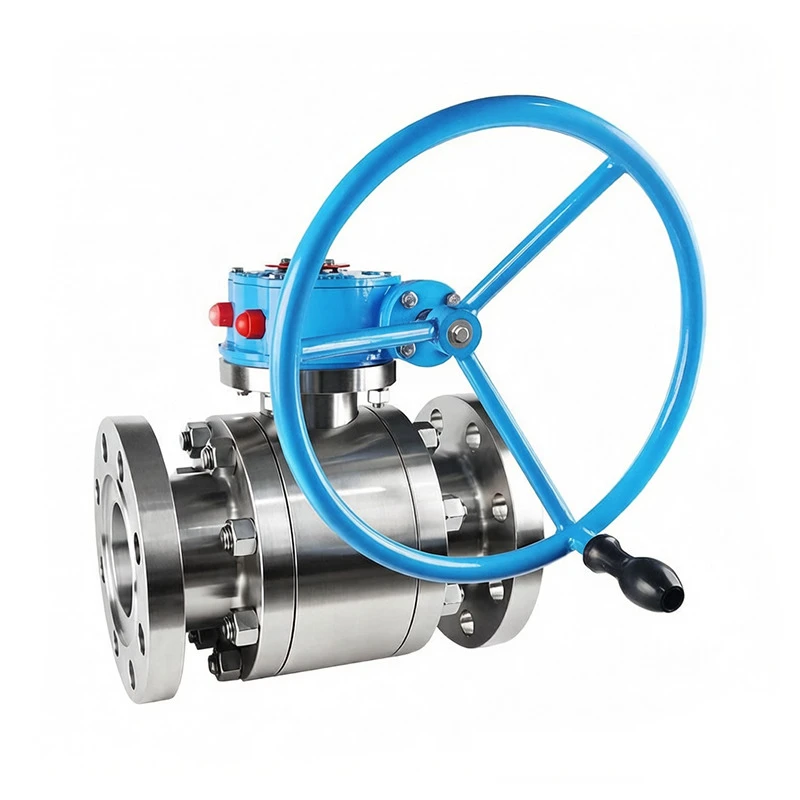
Before we discuss the rotational angle, let's briefly understand what a worm gear trunnion flanged ball is. A worm gear trunnion flanged ball is a type of valve component that combines the features of a worm gear mechanism, a trunnion design, and a flanged ball. The worm gear is used to provide a mechanical advantage, allowing for easy operation of the valve. The trunnion design provides additional support to the ball, reducing the stress on the valve seats and improving the overall performance of the valve. The flanged ball is a spherical valve element that can be rotated to control the flow of fluid through the valve.
The Rotational Angle of a Worm Gear Trunnion Flanged Ball
The rotational angle of a worm gear trunnion flanged ball refers to the degree of rotation that the ball can make within the valve body. In most cases, the rotational angle of a worm gear trunnion flanged ball is 90 degrees. This means that the ball can be rotated from a fully open position to a fully closed position, or vice versa, by turning the worm gear through a 90-degree angle.
The 90-degree rotational angle is a standard design for many types of ball valves, including worm gear trunnion flanged balls. This design provides a simple and efficient way to control the flow of fluid through the valve. When the ball is in the fully open position, the fluid can flow freely through the valve. When the ball is in the fully closed position, the fluid is blocked from flowing through the valve.
Significance of the Rotational Angle
The rotational angle of a worm gear trunnion flanged ball is significant for several reasons. Firstly, it determines the flow control capabilities of the valve. A 90-degree rotational angle allows for a quick and precise shut-off of the fluid flow, making it suitable for applications where rapid flow control is required. For example, in a pipeline system, a worm gear trunnion flanged ball valve with a 90-degree rotational angle can be used to quickly isolate a section of the pipeline in case of an emergency.
Secondly, the rotational angle affects the sealing performance of the valve. When the ball is rotated to the fully closed position, it creates a tight seal against the valve seats, preventing any leakage of fluid. The 90-degree rotational angle ensures that the ball is fully seated against the valve seats, providing a reliable seal.
Thirdly, the rotational angle impacts the durability and lifespan of the valve. A smooth and consistent 90-degree rotation reduces the wear and tear on the valve components, such as the ball, the valve seats, and the worm gear. This helps to extend the lifespan of the valve and reduces the need for frequent maintenance and replacement.
Applications of Worm Gear Trunnion Flanged Balls
Worm gear trunnion flanged balls are widely used in various industries, including oil and gas, chemical, power generation, and water treatment. Here are some common applications of these valves:
- Oil and Gas Industry: In the oil and gas industry, worm gear trunnion flanged ball valves are used to control the flow of oil, gas, and other fluids in pipelines, refineries, and offshore platforms. The 90-degree rotational angle allows for quick and efficient shut-off of the fluid flow in case of an emergency, ensuring the safety of the personnel and the equipment.
- Chemical Industry: In the chemical industry, worm gear trunnion flanged ball valves are used to control the flow of corrosive and hazardous chemicals. The trunnion design and the 90-degree rotational angle provide a reliable and leak-proof solution for handling these chemicals.
- Power Generation Industry: In the power generation industry, worm gear trunnion flanged ball valves are used to control the flow of steam, water, and other fluids in power plants. The 90-degree rotational angle allows for precise control of the fluid flow, ensuring the efficient operation of the power plant.
- Water Treatment Industry: In the water treatment industry, worm gear trunnion flanged ball valves are used to control the flow of water in water treatment plants, distribution systems, and wastewater treatment facilities. The 90-degree rotational angle allows for quick and easy adjustment of the water flow, ensuring the proper treatment and distribution of water.
Related Products
If you are interested in our worm gear trunnion flanged ball products, you may also be interested in our other related products, such as:
- Worm Gear Forged Steel 3-Piece Flanged Ball Valve: This valve combines the features of a worm gear mechanism and a forged steel 3-piece flanged ball design, providing a reliable and durable solution for various applications.
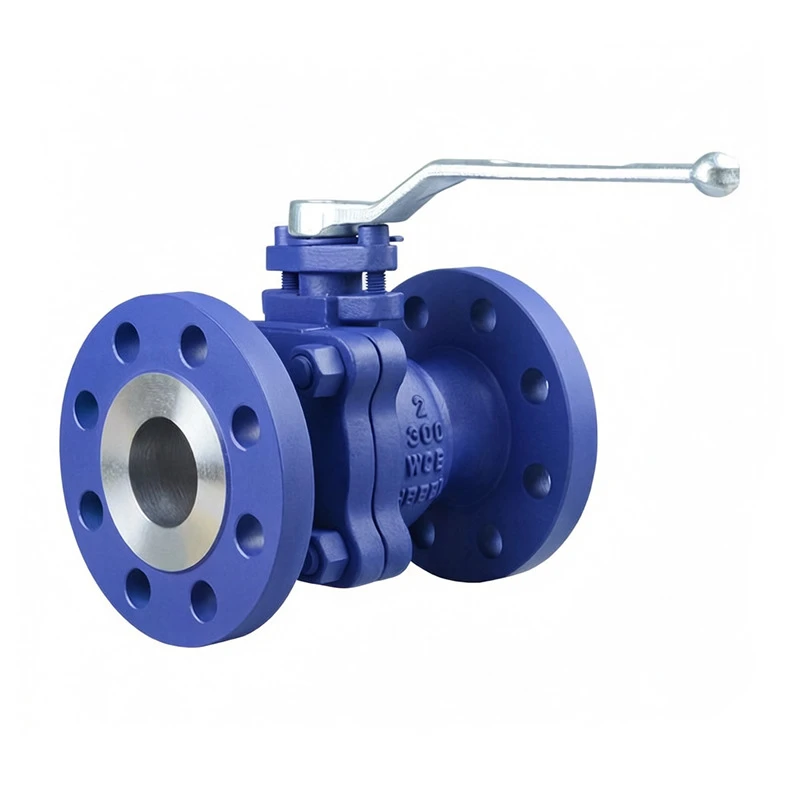
- High Pressure Forged Steel 3-Piece Flanged Ball Valve: This valve is designed to withstand high pressure and is suitable for applications where high-pressure fluid control is required.
- GB Standard Flanged Ball Valve: This valve complies with the GB standard and is widely used in various industries in China.
- Pneumatic Forged Steel Flanged Ball Valve: This valve is operated by a pneumatic actuator, providing a convenient and efficient way to control the flow of fluid.
- ANSI Standard Flanged Ball Valve: This valve complies with the ANSI standard and is widely used in various industries in the United States and other countries.
Contact Us for Procurement
If you have any questions about the rotational angle of a worm gear trunnion flanged ball or are interested in purchasing our products, please feel free to contact us. We have a team of experienced professionals who can provide you with detailed information and technical support. We look forward to working with you to meet your specific needs and requirements.
References
- Valve Handbook, Butterworth-Heinemann
- Fluid Mechanics and Thermodynamics of Turbomachinery, S. L. Dixon